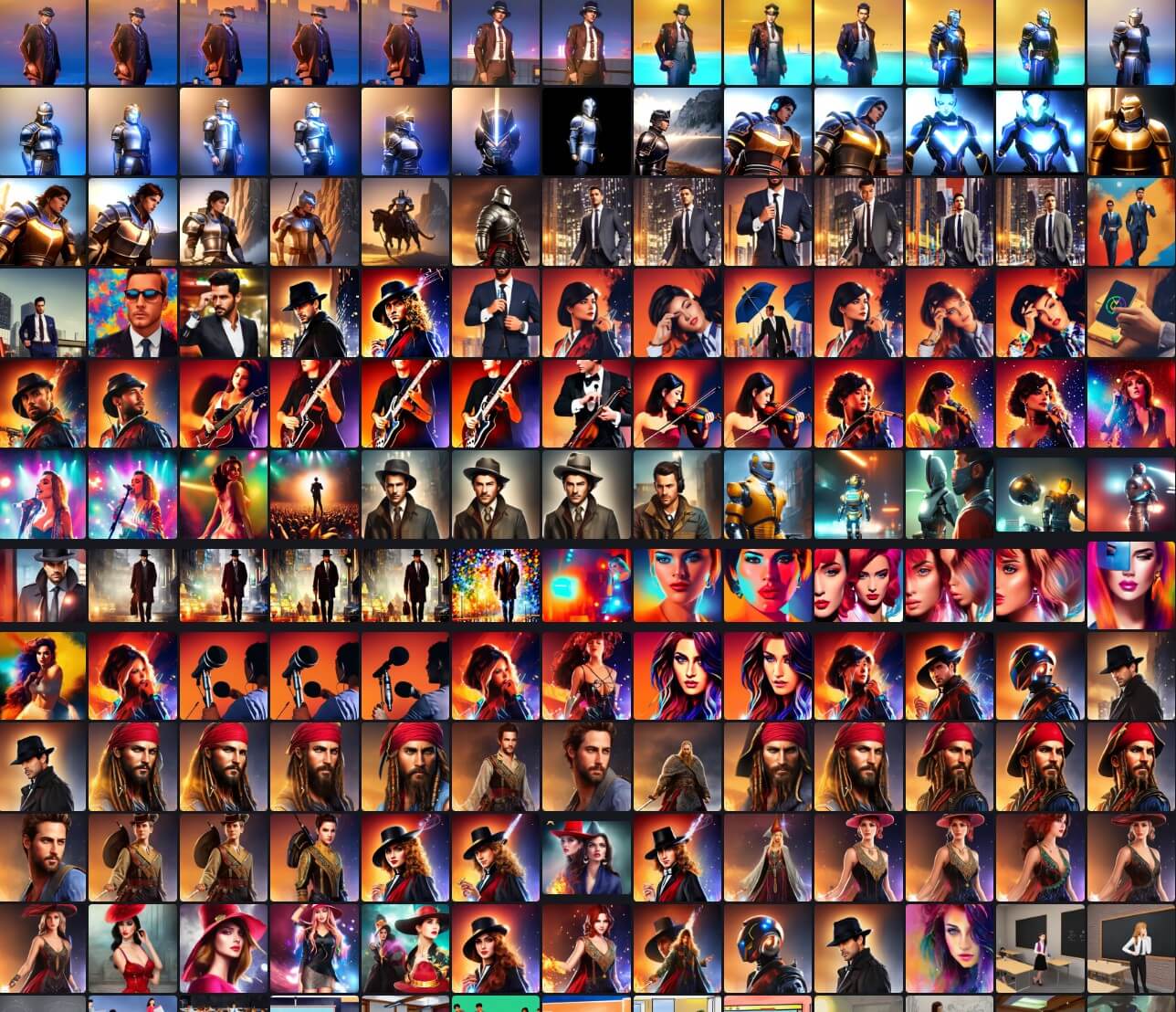
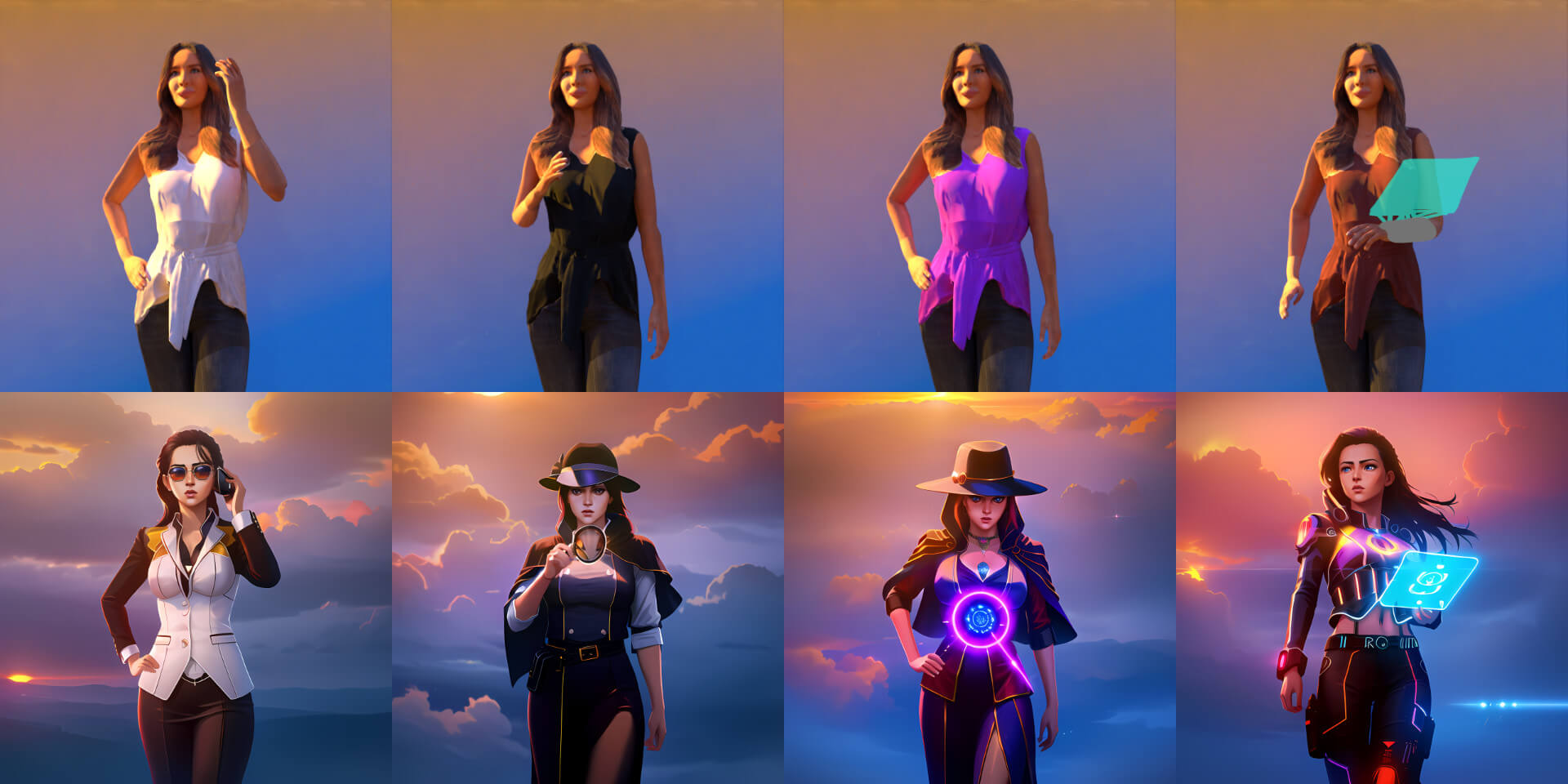
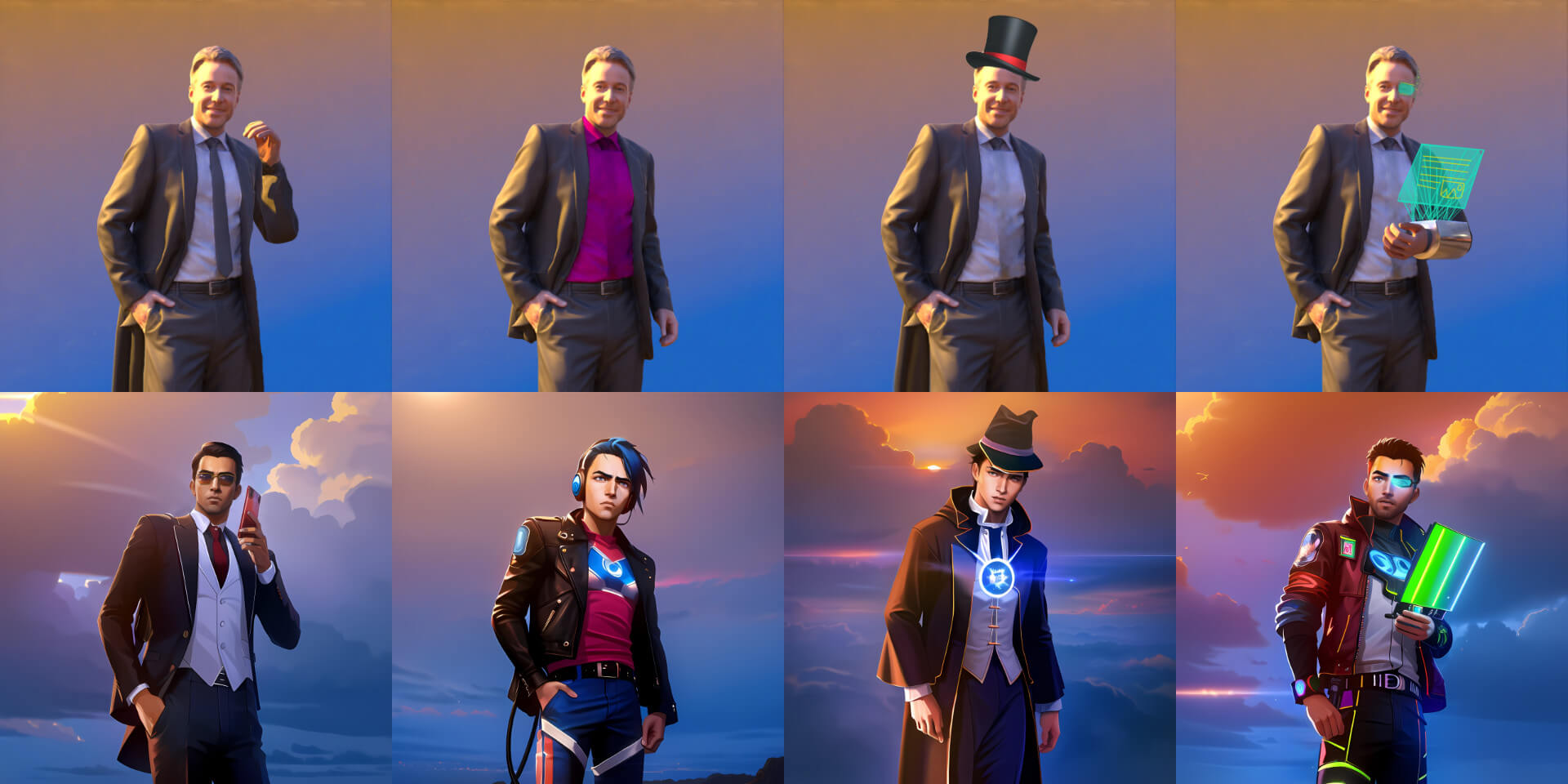
In recent projects, AI-based tools have become a practical part of my design workflow, used to extend creative capacity rather than replace it. A good example emerged during the Brainelem platform, where one of the final tasks involved designing student reports that were dynamically generated online and exported to PDF. These reports required a set of illustrations representing distinct learner profiles through stylised characters. Due to tight timelines, producing a consistent, high-quality visual set through traditional illustration alone would have significantly slowed delivery.
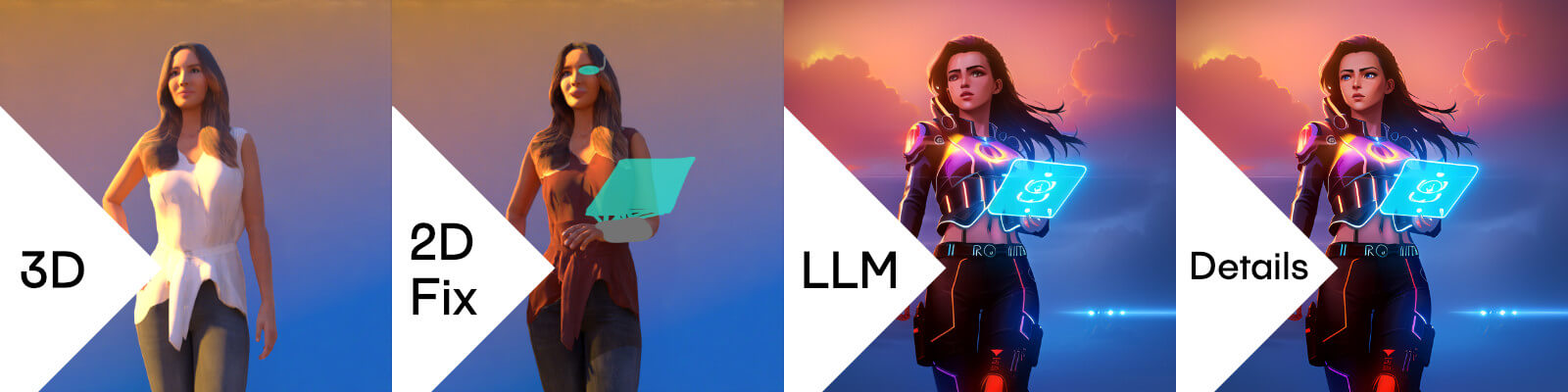
To address this, I developed a controlled image-generation pipeline based on a locally hosted image-to-image model. After careful evaluation, I selected a suitable base model and a small set of specialised LoRAs, supported by handcrafted guiding images. Prompting relied on weighted parameters, negations, and constraints to ensure consistency in style, framing, pose, and colour palette across all characters. By selectively adjusting parameters, I was able to iterate quickly between visual styles and thematic variations, supporting internal discussions and decision-making. Final outputs were refined through targeted in-painting and minor post-processing, resulting in a complete and coherent set of sixteen characters ready for implementation.
While generative models are fundamentally unable to replace human judgement or creative intent, they have become powerful tools for accelerating production and expanding design possibilities. Used responsibly, they enable a level of efficiency and iteration speed that was simply not achievable until recently. At the same time, known limitations (such as hallucinations and inconsistency) mean AI systems cannot be trusted to operate independently on critical work. Their real value lies in augmentation: supporting designers in exploring, refining, and delivering high-quality solutions faster, while keeping creative direction, validation, and accountability firmly in human hands.